
Tensions in the Arctic are once again drawing global attention after renewed reports of Russian fighter jets Alaska patrol activity near U.S. airspace. While such encounters are not entirely new, the frequency and timing of these missions have sparked fresh conversations about national security, military strategy, and the growing importance of the Arctic region.
As geopolitical competition intensifies between Washington and Moscow, Alaska has quietly become one of the most strategically significant frontiers in the world.
Why Alaska Matters So Much
Alaska isn’t just America’s largest state—it’s also one of its most critical military outposts. Positioned just miles from Russian territory across the Bering Strait, it acts as a frontline buffer between the two nuclear powers.
When we hear reports about Russian fighter jets Alaska patrols, it typically refers to aircraft flying near the Alaska Air Defense Identification Zone (ADIZ). This zone extends beyond U.S. sovereign airspace and is monitored closely for potential threats. While entering the ADIZ is not illegal, aircraft are expected to identify themselves and communicate with air traffic authorities.
Military analysts say these maneuvers are often strategic shows of presence rather than direct aggression. Still, they are carefully watched.
What Happens During These Encounters?
When Russian fighter jets Alaska are detected approaching the ADIZ, the North American Aerospace Defense Command (NORAD) responds swiftly. Fighter jets, often based at Eielson Air Force Base or Joint Base Elmendorf-Richardson, are scrambled to intercept and visually identify the approaching aircraft.
North American Aerospace Defense Command plays a crucial role in protecting North American airspace. The command tracks aircraft movements across the continent and ensures rapid defensive readiness.
In most cases, these encounters are described as “safe and professional.” The Russian aircraft do not enter U.S. sovereign airspace, and American pilots escort them until they leave the monitored zone.
The Aircraft Involved

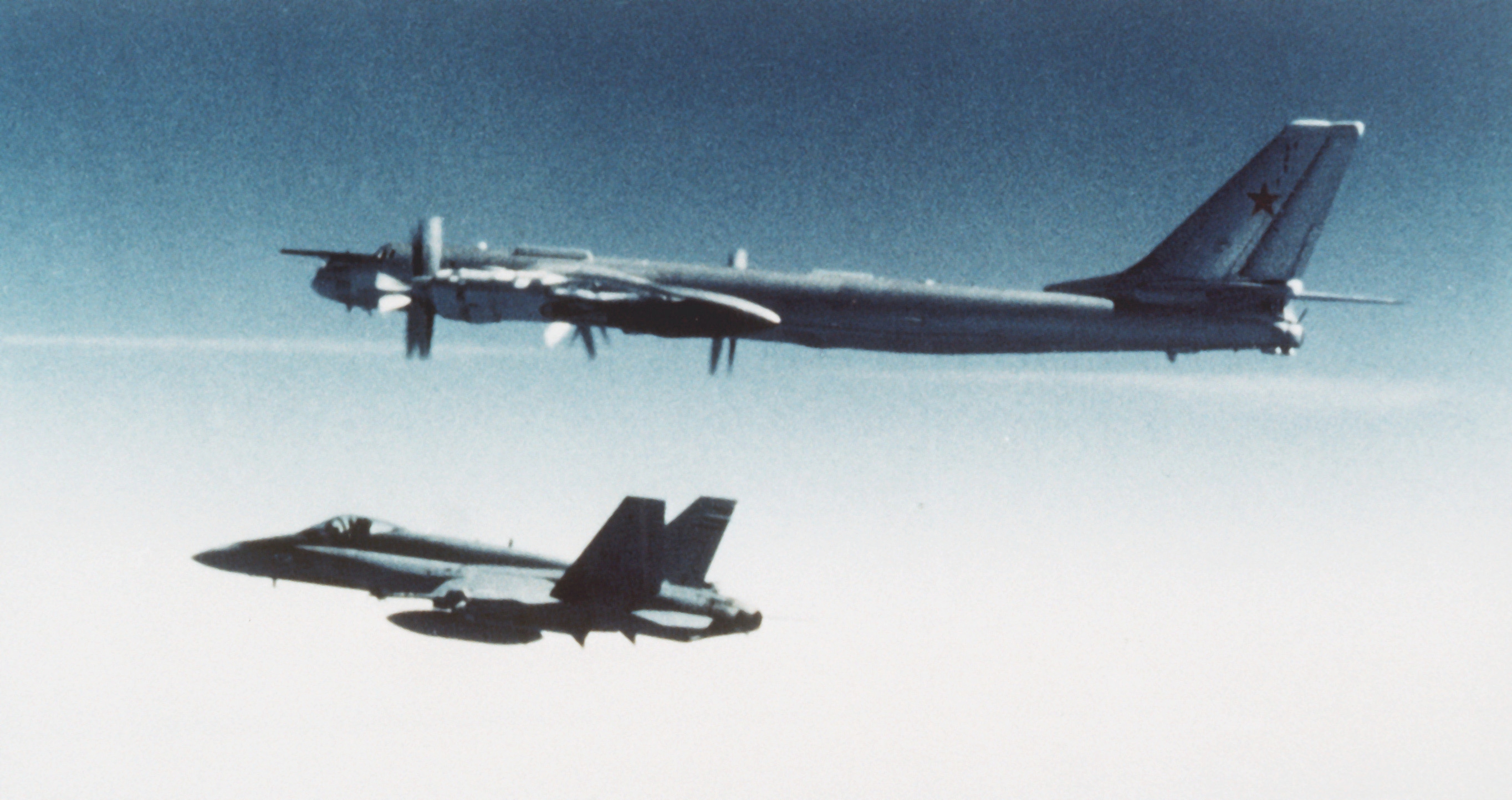
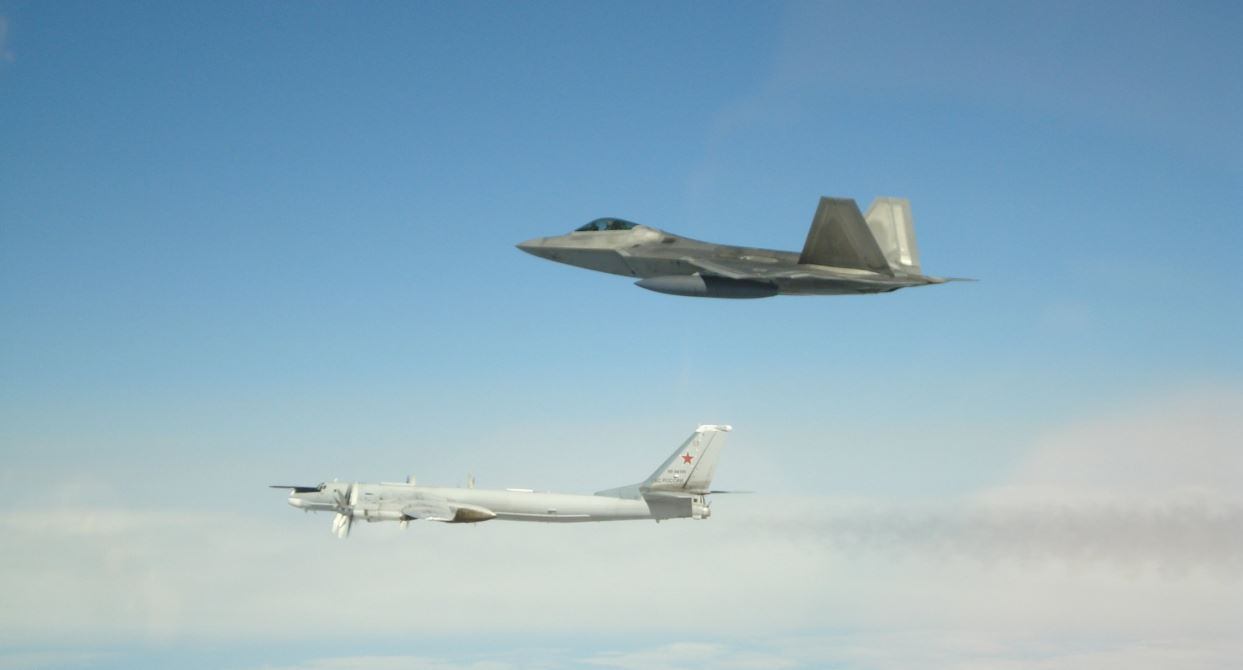
Reports of Russian fighter jets Alaska activity often involve advanced aircraft such as the Sukhoi Su-35 or long-range bombers like the Tu-95, sometimes escorted by fighter jets. These aircraft are capable of traveling vast distances and are frequently used in strategic patrol missions.
On the American side, intercept missions are typically carried out by F-22 Raptors, one of the most advanced stealth fighters in the world. The presence of such high-level aircraft on both sides underscores the seriousness of these encounters—even when they remain non-hostile.
Why Is Russia Increasing Arctic Activity?
The Arctic is rapidly becoming a zone of economic and military interest. As ice melts due to climate change, new shipping routes and natural resource opportunities are emerging. Russia has invested heavily in Arctic bases, radar systems, and military infrastructure.
The flights involving Russian fighter jets Alaska may serve multiple purposes:
Testing U.S. response times
Demonstrating military reach
Reinforcing claims of Arctic dominance
Sending political signals during global tensions
Experts note that these patrols often coincide with broader geopolitical developments, including NATO activities or diplomatic disputes.
A Pattern, Not a First
It’s important to understand that Russian fighter jets Alaska incidents are not unprecedented. Similar intercepts have occurred for decades, even during relatively stable diplomatic periods.
During the Cold War, Alaska frequently saw Soviet aircraft near its airspace. The difference today lies in the evolving geopolitical climate. Relations between the U.S. and Russia have been strained over issues ranging from Ukraine to cybersecurity concerns. In that context, even routine patrols carry symbolic weight.
How the U.S. Responds
American officials typically emphasize that these flights pose no immediate threat, provided they remain outside sovereign airspace. NORAD releases public statements confirming detection, identification, and safe interception.
However, defense officials also stress vigilance. Alaska houses missile defense systems and advanced radar installations designed to detect and respond to potential threats from across the Pacific and Arctic regions.
The consistent response to Russian fighter jets Alaska missions demonstrates readiness while avoiding escalation. Military leaders aim to maintain deterrence without provoking direct confrontation.
The Bigger Picture: Arctic Power Competition
The Arctic is no longer just a remote wilderness. It is emerging as a central stage in global power competition. Countries including Russia, the United States, Canada, and even China are increasingly focused on Arctic strategy.
Russia, in particular, possesses extensive Arctic coastline and has prioritized military modernization in the region. The presence of Russian fighter jets Alaska patrols highlights how airspace has become a key component of that strategy.
For the United States, maintaining awareness and response capability in Alaska is critical. Military investments in radar systems, fighter aircraft, and missile defense reinforce the state’s strategic role.
Should Americans Be Concerned?
While headlines about Russian fighter jets Alaska activity may sound alarming, defense experts caution against panic. These encounters, though serious, follow established military protocols and international norms.
The key takeaway is preparedness. The U.S. military continuously monitors northern approaches, and intercepts are handled by highly trained personnel. There is no evidence that recent patrols indicate imminent conflict.
That said, the growing frequency of such flights serves as a reminder that geopolitical tensions remain very real.
Final Thoughts
The recurring presence of Russian fighter jets Alaska patrols is a reflection of broader strategic rivalry in the Arctic. While these encounters remain professional and controlled, they symbolize a shifting global landscape where airspace, resources, and influence are increasingly contested.
Alaska’s geographic position ensures it will remain a critical monitoring point between East and West. As Arctic routes open and global competition intensifies, the skies above Alaska may continue to witness these carefully choreographed displays of military presence.


